

Services used:
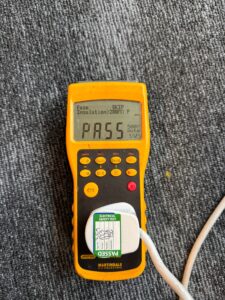
What we did: This week, one of our engineers has been hard at work for We Are Capitol in London, carrying out PAT (Portable Appliance Testing) on around 1300 items and Fire Extinguisher Servicing on 18 extinguishers.
Full details:
PAT (Portable Appliance Testing) is crucial for ensuring the safety of electrical equipment, particularly in workplaces and public settings. It helps identify potential hazards or faults that could lead to electric shocks, fires, or equipment damage. While not explicitly required by law, PAT testing is considered a best practice under regulations like the Electricity at Work Regulations 1989, helping businesses and landlords demonstrate compliance. It also provides reassurance to employees, tenants, and the public that appliances are safe to use.
Regular PAT (Portable Appliance Testing) can prevent costly repairs and downtime by detecting faults early and ensuring appliances operate correctly. It often meets insurance requirements, serving as documented proof of proper maintenance, and reduces the risk of liability claims. By fostering a safe environment and minimising risks, PAT testing offers peace of mind and long-term cost savings for those responsible for electrical safety.
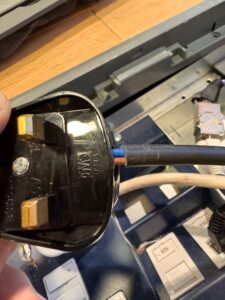
Most items in this building passed the inspection, however some plugs such as the one shown below had exposed wires, meaning they were a fire hazard and had to be failed. If an item fails the PAT Test, the item must stop being used immediately and be disposed of and replaced.
Fire extinguisher servicing is vital to ensure that extinguishers function properly in the event of a fire. Over time, extinguishers can lose pressure, develop faults, or suffer damage, which may render them ineffective during an emergency. Regular servicing ensures they are fully operational, correctly pressurised, and free of obstructions, maximising their reliability when needed most. This can save lives, protect property, and minimise fire-related damage.
Our services
